

A good standard requires a well-functioning organization
Many companies have a group-wide electrical safety standard, often supplemented by authorization procedures and access restrictions via lockout-tagout. This is a valuable starting point. However, what matters is not whether a document appears to be complete, but whether roles, authorities, and procedures actually work in day-to-day operations. A standard can describe technical responsibilities, but it cannot effectively delegate them merely by virtue of its existence.
Compare functions instead of document numbers
When transferring an existing system into the German electrical industry framework, the first step should be to examine the functions involved. Who fulfills employer obligations, who inspects the system, who is responsible for the work, who provides technical supervision, who assesses qualifications, and who grants approvals? Only then does it make sense to examine which existing procedures are already appropriate and where additions are necessary. A second, parallel set of rules rarely provides clarity if the two systems use different terms for the same process.
Deviations must be recorded
Not every deviation is automatically critical, but every relevant deviation requires a person in charge, a technical assessment, a decision, and traceable acceptance criteria. This applies particularly to work authorization, testing, recommissioning, and temporary conditions. A work authorization and access procedure can cover a wide range of situations, but it must align with the actual plant structure and operational authorizations.
Not every global setting needs to be rewritten
An existing corporate standard can often be reused to a large extent. The key factor is a technical review to determine whether its roles and processes fulfill the same function in the German operation and are consistent with the relevant employer obligations and electrical safety regulations. Where this is successful, a targeted supplement is usually a clearer solution than a separate German manual.
Interim CRES as a Professional Bridge
If there is a temporary lack of suitable internal leadership in this area, an external CRES can transform the existing standards into an effective electrical organization. To do so, she needs real decision-making authority, access to management and information, and a clear definition of her area of responsibility. Her task is not to replace existing best practices. Rather, she should classify them from a technical perspective, oversee necessary additions, and leave behind a structure that can be maintained internally.
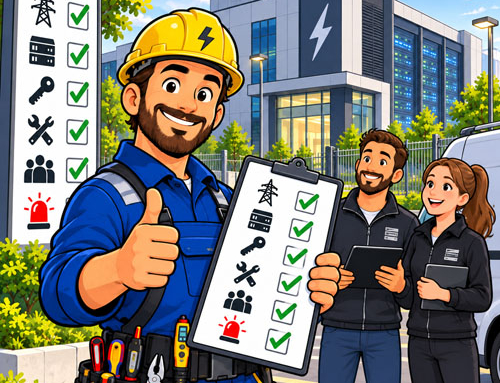
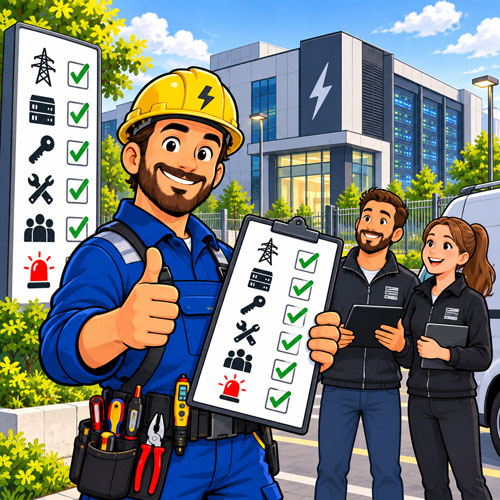
Checkpoints
- Compare Roles Functionally
- Harmonize procedures
- Evaluate Deviations
- Document Decisions
- Plan an internal handover
Conclusion
An electrical safety standard only realizes its full value when implemented in practice. An interim CRES can be useful when there is a gap between existing regulations and effective technical leadership.










Leave A Comment